
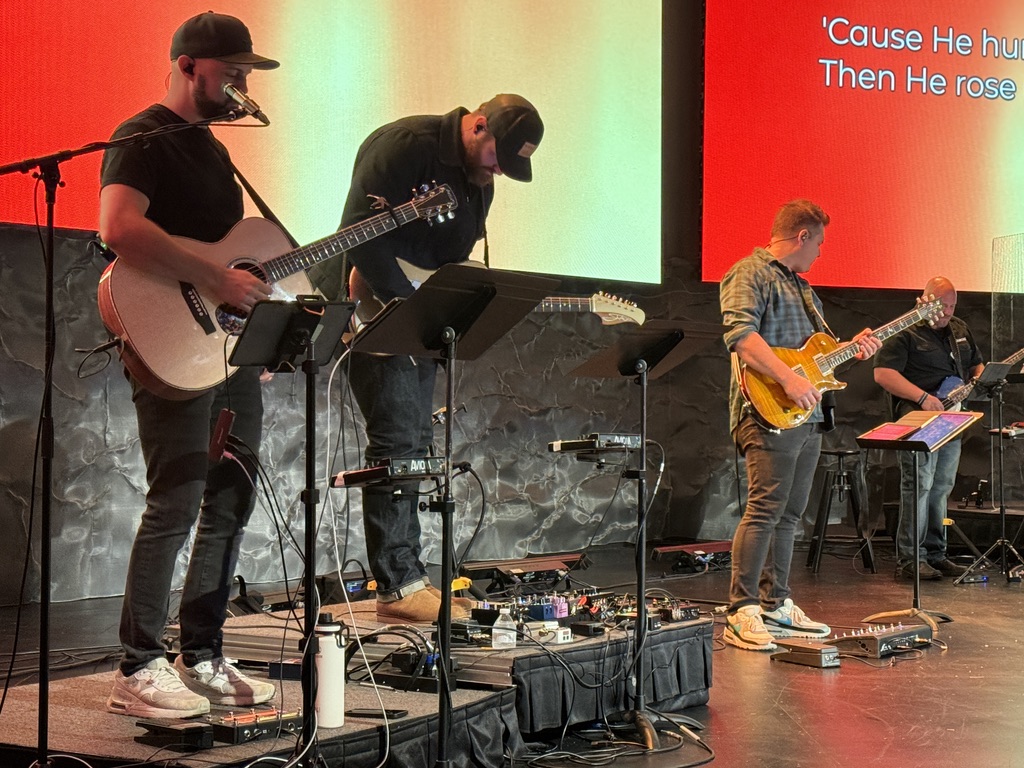
A practical guide to preparing your worship team before rehearsal starts, leading a productive rehearsal, and setting your church up for a distraction-free Sunday.
If your worship rehearsals always feel rushed, the problem probably isn’t your musicians.
It’s your systems.
Every worship leader has walked into rehearsal thinking: “We’re just going to run through the songs.”
Ninety minutes later…
The drummer still doesn’t know the ending. The vocalist never got the updated arrangement. The pastor texted a last-minute song change. The production team is chasing monitor issues.
Half the rehearsal disappears before you’ve actually rehearsed.
Sound familiar?
And having better musicians won’t magically make your rehearsals better. Great rehearsals happen with preparation and equipping.
The best worship leaders know something that often gets overlooked:
Rehearsal doesn’t begin when the team walks in. It begins days or sometimes weeks before anyone plays the first note.
Whether you’re leading five volunteers in a small church or a full worship ministry with musicians, vocalists, and a production team – this guide will help you build rehearsals that are calmer, more productive, and far more enjoyable for everyone involved.
Key Takeaways
- Preparation starts before rehearsal day.
- Great communication saves more rehearsal time than great musicianship.
- Healthy teams rehearse moments, not just songs.
- Production teams should rehearse with the band, not after them.
- Encouragement is just as important as correction.
- Your rehearsal culture will eventually become your Sunday culture.
Part 1: Before Rehearsal Ever Happens
Finalize the Setlist Early
One of the fastest ways to lose volunteer trust is constantly changing the plan.
Most worship team members practice when you send them the music.
Every last-minute adjustment means asking volunteers to redo work they’ve already invested time in.
Obviously, emergencies happen.
But if changing the set list becomes normal, preparation becomes optional.
Healthy teams know what they’re playing early enough to prepare well.
Practical Tip: Aim to have your set list locked in at least four or five days before rehearsal whenever possible.
Give People Everything They Need

Never assume everyone learns music the same way.
Some musicians want chord charts. Others learn by listening. Some want Nashville Numbers. Others need lyrics.
Your goal is to remove every excuse for showing up unprepared.
Before rehearsal, provide:
- Chord charts
- Nashville Number charts (if your team uses them)
- Original recordings
- Practice tracks
- Multitracks or stems (if applicable)
- Planning Center files
- Song keys
- BPMs
- Notes about arrangements
- Any changes from the original version
Preparation creates confidence. Confidence creates better rehearsals.
Tell the Story of the Service
One mistake many worship leaders make is only sending songs.
Your musicians aren’t just playing songs.They’re helping tell the story of your worship service.
Instead of sending:
- Song 1
- Song 2
- Song 3
Send something like this:
Opening Prayer
Welcome
Song 1
Scripture Reading
Song 2
Communion
Song 3
Prayer Response
Closing
When your team understands where each moment fits, they play with greater purpose.
Meet With Production Before Rehearsal

Healthy worship ministries don’t separate worship and production.
They’re one team.
Before rehearsal, ask questions like:
- Any new lighting cues?
- Any video elements?
- Communion?
- Baptisms?
- Guest speakers?
- Wireless microphone needs?
- New volunteers?
- Livestream requirements?
- Click and track updates?
The fewer surprises Thursday night, the smoother Sunday morning.
Part 2: Before the First Note
This is where most rehearsals are won or lost.
Arrive Early Enough to Solve Problems
Your volunteers shouldn’t spend rehearsal watching you troubleshoot.
Use the time before rehearsal to check:
□ Batteries
□ In-ear monitors
□ Microphones
□ Stage patches
□ Playback computer
□ ProPresenter
□ Click tracks
□ Wireless packs
□ Guitar pedals
□ Cables
Every minute spent fixing technology during rehearsal steals time from your volunteers.
Start With People, Not Music
One of the healthiest habits your team can develop is refusing to treat rehearsal like a gig.
Take five minutes. Ask people how they’re doing. Celebrate answered prayers. Share needs. Pray together.
Then remind everyone why they’re serving.
That simple rhythm changes the atmosphere of the entire night.
Part 3: During Rehearsal

Rehearse Moments, Not Songs
This may be the biggest shift a worship leader can make.
Most songs aren’t where Sundays fall apart. Transitions are.
Spend your rehearsal focusing on:
- Song endings
- Speaking moments
- Scripture readings
- Prayer transitions
- Instrument changes
- Tempo changes
- Modulations
- Communion moments
- Lighting cues
- Camera movement
- Silence
Great Sundays are built in the spaces between the songs.
Don’t Over-Explain
We’ve all been there.
A worship leader stops the band…
…and talks for five minutes.
Play. Adjust. Try it again. Move on.
Momentum is one of the most valuable things in rehearsal.
Protect it.
Fix Problems Once
If something isn’t working…
Stop.
Address it.
Repeat it correctly.
Move on.
Don’t hope it magically improves by Sunday.
Build Margin Into the Schedule
Every rehearsal needs breathing room.
Because something unexpected always happens.
Leave ten to fifteen minutes unplanned.
You’ll probably use every minute.
Part 4: The Biggest Rehearsal Mistakes
Healthy teams avoid these common traps:
- Starting late
- Constant song changes
- Teaching songs during rehearsal
- Musicians hearing songs for the first time
- Forgetting the production team
- Talking more than playing
- Never praying together
- Only giving corrective feedback
- Only running every song from beginning to end
- Ending without reviewing other Sunday details
Part 5: After Rehearsal
Your leadership doesn’t end when everyone packs up.
Send one simple message.
“Thanks for serving tonight.”
Celebrate one thing that went well.
Remind everyone of Sunday call times.
That’s it.
People stay where they feel appreciated.
The Five-Minute Sunday Morning Checklist

Before the doors open:
✓ Pray together
✓ Review transitions
✓ Confirm pastor changes
✓ Check batteries
✓ Tune instruments
✓ Smile
Then stop rehearsing. Trust your preparation.
Lead with confidence.
Healthy Rehearsals Build Healthy Ministries
The goal of rehearsal isn’t perfection. It’s confidence.
When your volunteers know the plan…
When your production team is prepared…
When communication is clear…
Your church rarely notices.
And that’s exactly the point.
The best worship rehearsals remove distractions so people can focus on what matters most: leading others in worship.
Frequently Asked Questions
How long should a worship rehearsal be?
Most weekly worship rehearsals are effective at 90 to 120 minutes. Longer rehearsals often lead to diminishing returns unless you’re preparing for a special event or introducing significant new material.
What should happen during worship rehearsal?
A healthy rehearsal includes prayer, reviewing transitions, refining arrangements, checking production elements, practicing key moments, and confirming the service flow. It should be about preparing people, not just polishing songs.
How do you prepare your worship team for rehearsal?
Send the set list several days in advance, provide charts and recordings, communicate expectations clearly, and encourage everyone to arrive having already learned the material.
What’s the biggest mistake worship leaders make in rehearsal?
Treating rehearsal as the place to learn songs instead of the place to refine them. When volunteers arrive prepared, rehearsal becomes more productive and less stressful.
Should the production team attend rehearsal?
Absolutely. Production teams are part of the worship team. Including audio, lighting, video, and livestream volunteers in rehearsal helps everyone prepare together and reduces surprises on Sunday.
Final Thoughts
A healthy worship rehearsal isn’t measured by how well you play.
It’s measured by how well your team is equipped to serve with confidence, unity, and purpose.
Sure, musical excellence matters.
But healthy rehearsal culture is what allows excellence to flourish over the long haul.
If your rehearsals become calmer, more intentional, and more encouraging, your Sundays will reflect it.
And your volunteers will look forward to coming back next week.
Continue Growing Your Worship Ministry
Every year at Worship Innovators, worship leaders, musicians, production teams, pastors, and creatives gather to share practical ideas that strengthen the local church. If this guide helped you, explore our growing library of resources and join us at this year’s conference to learn from leaders who are passionate about building healthy worship ministries.
Leave a Reply